Migrations Off Legacy Systems
Move off old systems you can't keep running, without a years-long rewrite project.
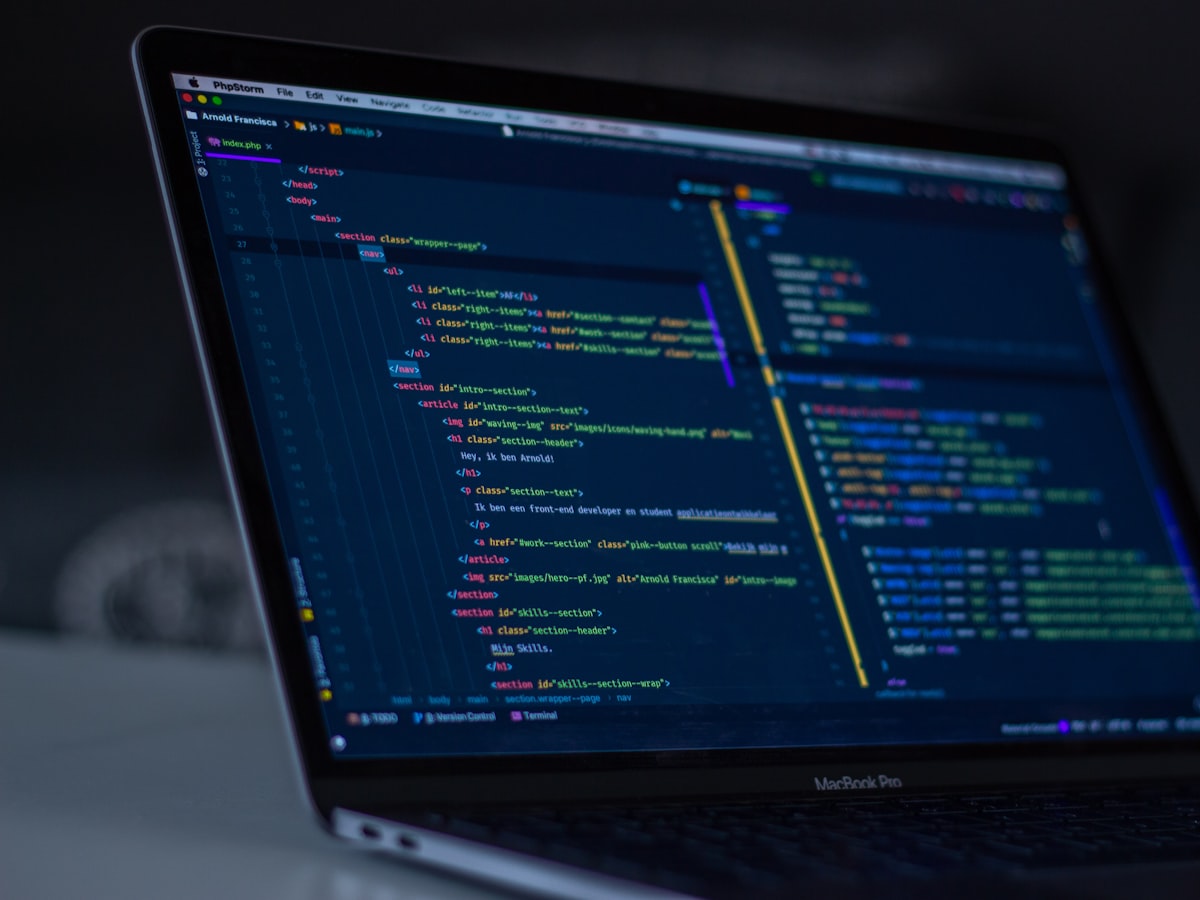
The legacy trap
If you're stuck on a legacy system — an old Laravel site, a brittle Ruby on Rails app, a Django codebase nobody on the team understands anymore, even an Excel-spreadsheet operation that's grown beyond what spreadsheets can handle — you're probably caught between two bad options. Keep paying to maintain something that's only getting more expensive, or commit to a rewrite the team estimates at "9 to 18 months." Both feel like losses.
The third path
We use modern AI tools, in close coordination with experienced engineers, to map your existing system into a new architecture much faster than a traditional rewrite. The AI handles the volume of code translation; humans handle the design decisions, the edge cases, and the parts that AI gets wrong. The result is honest engineering, not vibes — and it's faster than the traditional rewrite by a meaningful multiple.
Typical timeline
For most legacy migrations we've taken on, the result is a working v1 of the new system in 6–10 weeks rather than 6–10 months. The old system stays running until the new one is verified to do the same job correctly — no big bang cutover, no panic weekend. You decide when to flip the switch, and we're around for the first month afterward in case something surfaces.
How we'd work together
Every engagement runs through the same four checkpoints — discovery, proposal, weekly shipping, handoff. No surprises.
Discovery
Free call. We listen until we understand the problem, the team, and the constraints.
Proposal
Written scope, fixed price, clear timeline. You know the number before any code is written.
Weekly shipping
Real progress every Friday. Mid-stream changes are normal conversations, not emergencies.
Handoff
You own the code outright. No platform fee, no per-user pricing, no vendor lock-in.